The Most Powerful Drama Films You Can Stream Right Now (2026)
There's something uniquely transformative about a truly great drama film. In a world of endless franchise expansions and algorithm-pleasing content, the purest form of cinematic storytelling remains the character-driven drama—those films that hold a mirror to our humanity and reflect back our deepest struggles, triumphs, and emotions. At StreamLume, we've curated a collection of films that don't just entertain but enlighten, challenge, and move us. These aren't simply movies; they're experiences that linger in your consciousness long after the credits roll.
From prison yards to music conservatories, from courtrooms to the depths of grief, these films traverse the full spectrum of human experience. Each one represents the pinnacle of filmmaking craft—where screenplay, direction, performance, and visual storytelling align to create something truly transcendent. Let's explore the dramatic masterpieces that deserve your attention in 2026.
The Shawshank Redemption (1994)
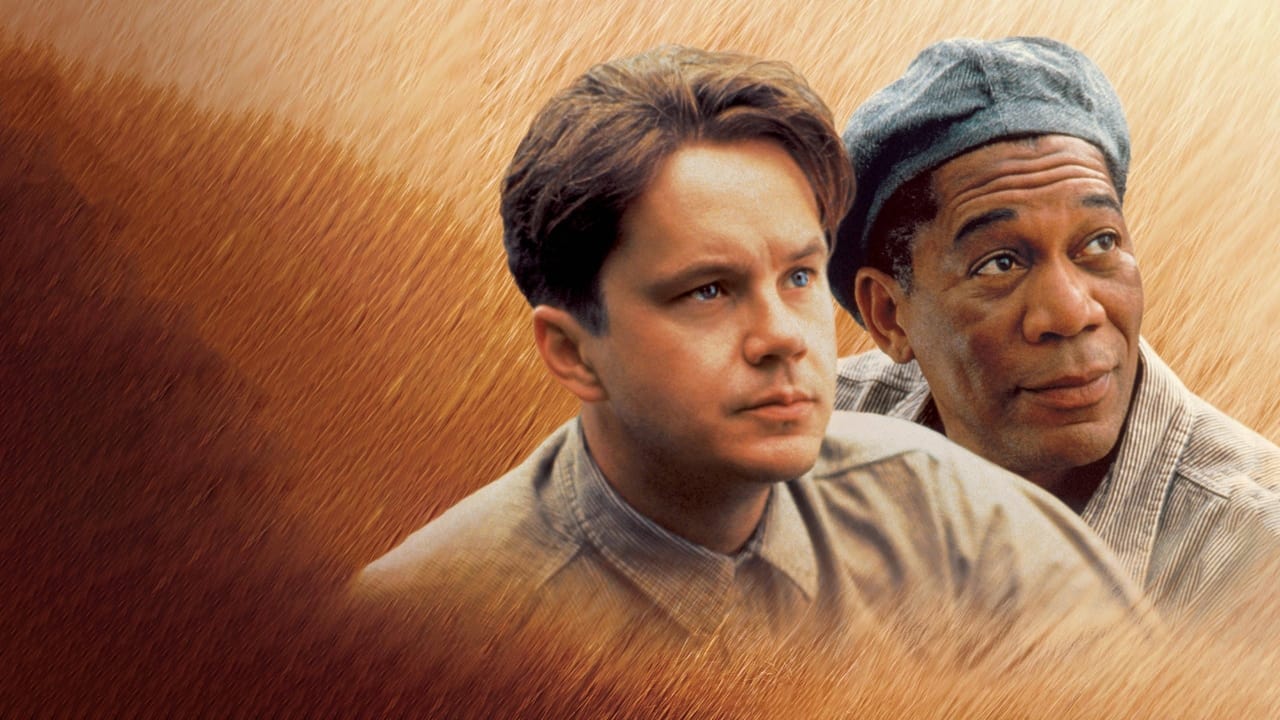
Often cited as one of the greatest films ever made, Frank Darabont's adaptation of Stephen King's novella stands as a testament to the enduring power of hope in the darkest of circumstances. Tim Robbins and Morgan Freeman deliver performances of quiet brilliance as Andy Dufresne and Ellis "Red" Redding, two inmates forming an unlikely bond within the oppressive walls of Shawshank State Penitentiary. What elevates this film beyond a simple prison narrative is its patient, methodical exploration of time itself—how it can both erode and fortify the human spirit.
The film's visual poetry is striking; Roger Deakins' cinematography transforms the harsh prison environment into a canvas for profound emotional storytelling. Each frame feels purposeful, every line of dialogue carries weight. Perhaps most remarkable is how the film balances its darker themes of corruption and institutional cruelty with genuine warmth and an unshakable belief in redemption. The screenplay masterfully builds toward one of cinema's most satisfying conclusions without ever feeling manipulative or forced.
🎬 Did You Know? Despite being considered one of the greatest films of all time, The Shawshank Redemption was a box office disappointment upon its initial release, finding its audience later through home video and cable television.
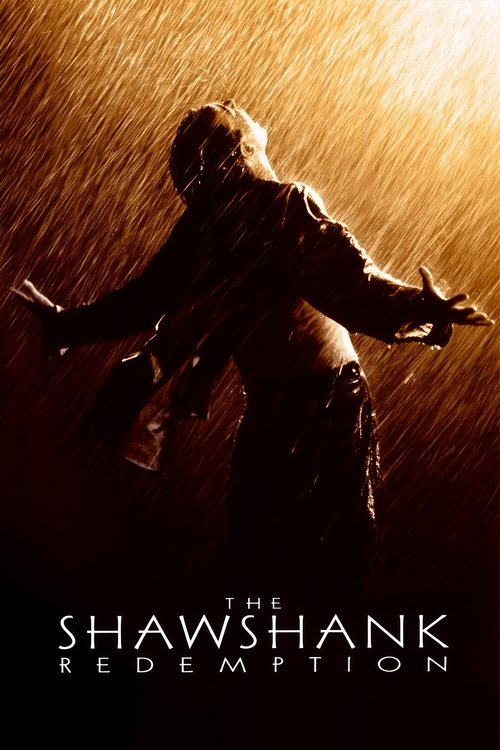
The Shawshank Redemption
Imprisoned in the 1940s for the double murder of his wife and her lover, upstanding banker Andy Dufresne begins a new life at the Shawshank prison, where he puts his accounting skills to work for an amoral warden. During his long stretch in prison, Dufresne comes to be admired by the other inmates -- including an older prisoner named Red -- for his integrity and unquenchable sense of hope.
12 Angry Men (1957)
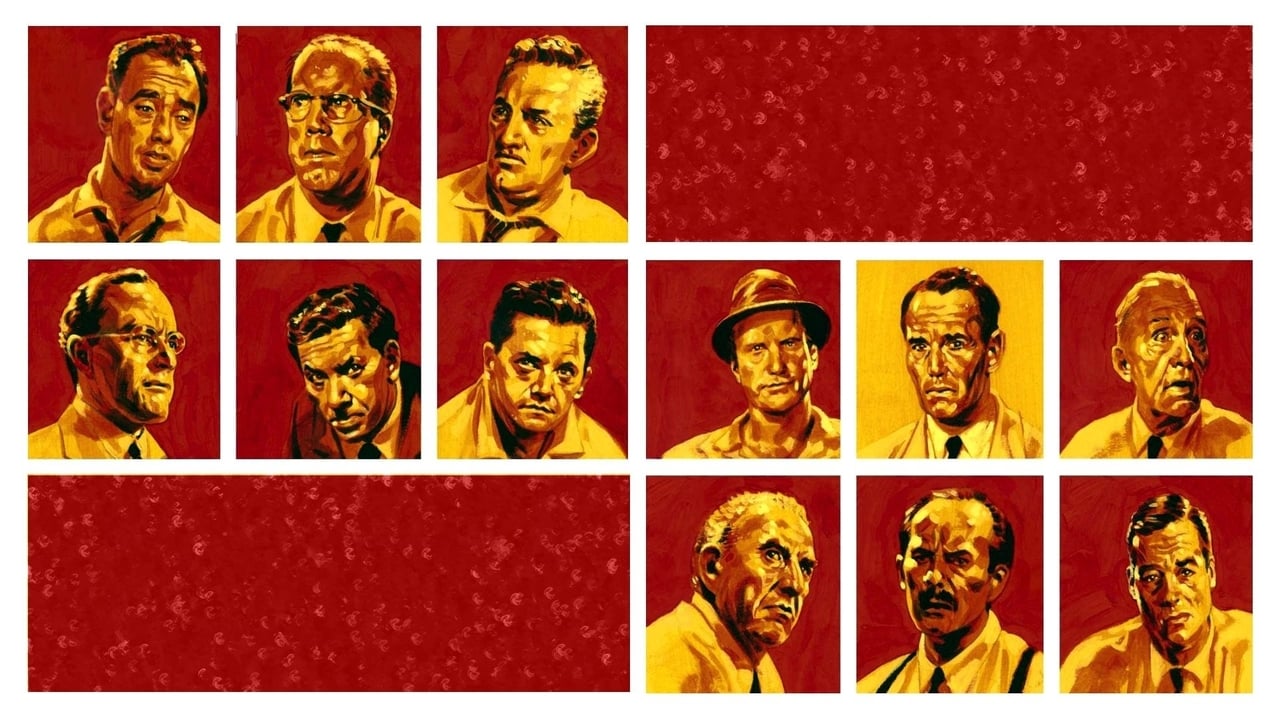
Sidney Lumet's directorial debut remains a masterclass in dramatic tension and narrative economy. Set almost entirely within a single jury deliberation room on the hottest day of the year, the film follows twelve jurors as they debate the fate of a young man accused of murder. What begins as an open-and-shut case transforms into a profound examination of prejudice, personal bias, and moral courage.
Henry Fonda's performance as Juror 8, the lone dissenting voice who gradually convinces the others to reconsider their hasty judgment, anchors the film with quiet dignity. But what's truly remarkable is how Lumet creates such visual dynamism within the confines of a single room. As the deliberations intensify, the camera work becomes increasingly intimate, the space feels more claustrophobic, and the stakes grow unbearably high. Each juror represents a different facet of American society, yet none feels like a mere symbol—they're flawed, complex human beings whose perspectives are shaped by their experiences and prejudices. Few films have so effectively demonstrated the power of reason and empathy to overcome entrenched thinking.
🎬 Did You Know? Director Sidney Lumet had the ceiling of the set gradually lowered and used progressively longer lenses throughout filming to create an increasing sense of confinement and pressure as the story progressed.

12 Angry Men
The defense and the prosecution have rested and the jury is filing into the jury room to decide if a young Spanish-American is guilty or innocent of murdering his father. What begins as an open and shut case soon becomes a mini-drama of each of the jurors' prejudices and preconceptions about the trial, the accused, and each other.
There Will Be Blood (2007)

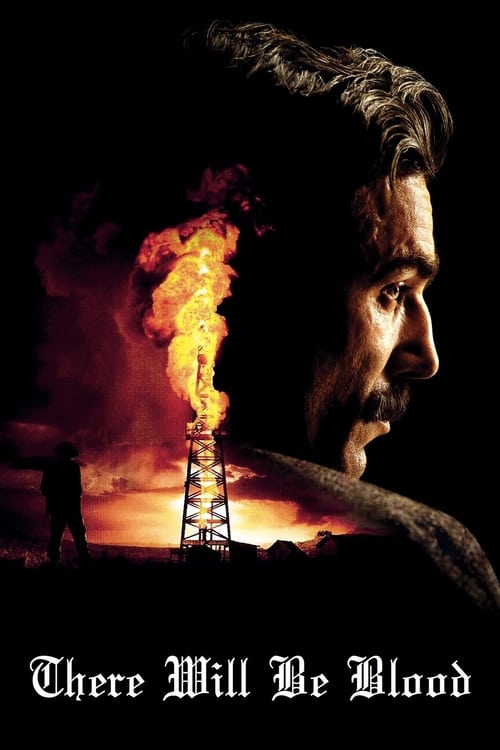
Paul Thomas Anderson's epic tale of greed, ambition, and madness in the early days of American oil exploration stands as one of the most formidable artistic achievements in modern cinema. Daniel Day-Lewis delivers a towering, volcanic performance as Daniel Plainview, a silver miner turned oil prospector whose ruthless pursuit of wealth consumes his humanity. The film is simultaneously intimate and grand—a character study set against the backdrop of America's transformation into an industrial power.
Robert Elswit's cinematography captures both the harsh, unforgiving landscape and the psychological deterioration of its protagonist with equal brilliance. Jonny Greenwood's discordant, unsettling score feels less like accompaniment and more like the externalization of Plainview's increasingly twisted psyche. The tension between capitalism and religion, personified in the conflict between Plainview and preacher Eli Sunday (Paul Dano), provides the film's central dynamic, culminating in one of the most shocking and memorable conclusions in film history. Anderson creates a uniquely American tragedy—a meditation on how the pursuit of prosperity can hollow out the soul of both individuals and nations.
🎬 Did You Know? Daniel Day-Lewis prepared for his role by living in isolation in an abandoned mining town for three weeks and studying the voice recordings of director John Huston as inspiration for his character's distinctive speech pattern.
There Will Be Blood
Ruthless silver miner, turned oil prospector, Daniel Plainview, moves to oil-rich California. Using his son to project a trustworthy, family-man image, Plainview cons local landowners into selling him their valuable properties for a pittance. However, local preacher Eli Sunday suspects Plainview's motives and intentions, starting a slow-burning feud that threatens both their lives.
Whiplash (2014)
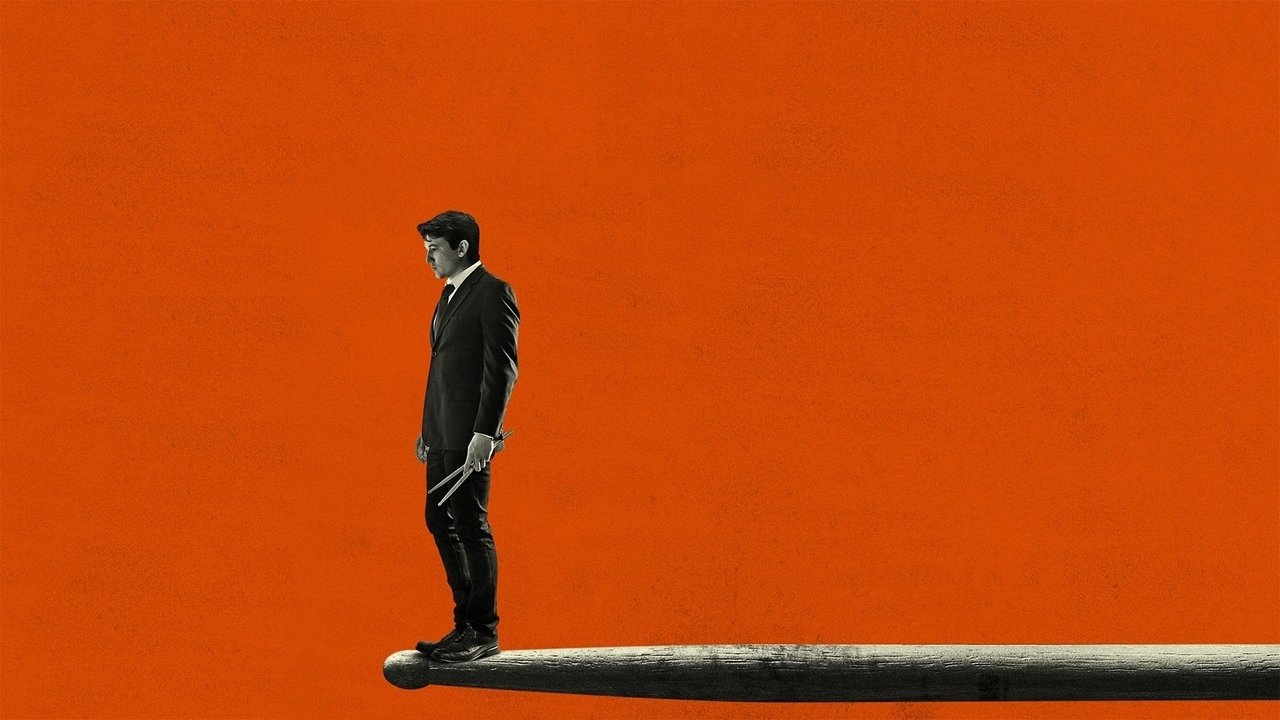
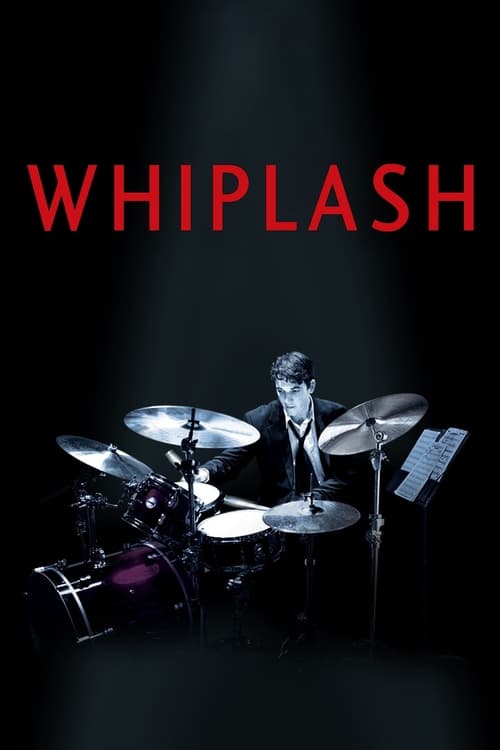
Damien Chazelle's electrifying drama about the relationship between a talented drum student and his ruthlessly demanding instructor defies categorization. Is it a thriller disguised as a music drama? A psychological horror film about the pursuit of greatness? Whatever label one applies, Whiplash remains an astonishing achievement—a film that generates almost unbearable tension from jazz rehearsals and drum solos.
J.K. Simmons delivers an Oscar-winning performance as Terence Fletcher, a music instructor whose methods border on psychological torture, while Miles Teller matches him as Andrew Neiman, a student willing to bleed for his art. Their toxic dynamic raises uncomfortable questions about the cost of excellence and whether greatness can ever truly be nurtured through cruelty. Chazelle's direction is as precise and rhythmic as the music at the film's center, with editor Tom Cross cutting between faces, instruments, and droplets of blood with metronome-like precision. The film builds to a final performance sequence that stands as one of cinema's most exhilarating climaxes—a cathartic explosion of technical virtuosity and emotional release that leaves viewers breathless.
🎬 Did You Know? Miles Teller, who had been playing drums since age 15, still practiced four hours a day for three weeks and endured bloody blisters to perform much of the intense drumming seen in the film himself.
Whiplash
Under the direction of a ruthless instructor, a talented young drummer begins to pursue perfection at any cost, even his humanity.
Manchester by the Sea (2016)

Few films have captured the weight of grief with such unflinching honesty as Kenneth Lonergan's masterpiece. Casey Affleck's Oscar-winning performance as Lee Chandler, a man shattered by unimaginable tragedy who must return to his hometown after his brother's death, is a study in emotional devastation. What makes the film extraordinary is its refusal to offer easy catharsis or redemption—some wounds, Lonergan suggests, can never fully heal.
The film's New England setting becomes a character itself, with cinematographer Jody Lee Lipes capturing the cold beauty of coastal Massachusetts in winter. The screenplay's structure, moving between past and present, gradually reveals the full scope of Lee's trauma while never feeling manipulative. Michelle Williams, in just a handful of scenes, delivers some of the most emotionally raw moments ever committed to film. Yet for all its heaviness, the film finds pockets of humor and humanity, particularly in the relationship between Lee and his teenage nephew Patrick (Lucas Hedges). Manchester by the Sea reminds us that drama at its best doesn't seek to solve life's insurmountable problems but rather to bear witness to them with compassion and truth.
🎬 Did You Know? Matt Damon was originally set to direct and star in Manchester by the Sea but had to step aside due to scheduling conflicts, though he remained on board as a producer.

Manchester by the Sea
After his older brother passes away, Lee Chandler is forced to return home to care for his 16-year-old nephew. There he is compelled to deal with a tragic past that separated him from his family and the community where he was born and raised.
The Intouchables (2011)

This French phenomenon proves that profound drama need not be devoid of joy. Based on a true story, the film follows the unlikely friendship between Philippe, a wealthy quadriplegic aristocrat (François Cluzet), and Driss, his ex-con caregiver from the projects (Omar Sy). What could have been a saccharine exercise in predictable uplift instead becomes something genuinely moving and frequently hilarious.
Directors Olivier Nakache and Éric Toledano navigate potentially treacherous territory with remarkable sensitivity and wit, never reducing their characters to stereotypes or their circumstances to mere plot devices. The chemistry between Cluzet and Sy is extraordinary—their relationship evolves naturally from employer-employee to a genuine friendship that transcends boundaries of class, race, and physical ability. The film's success lies in how it acknowledges the harsh realities of Philippe's condition while refusing to define him by it. Instead, it celebrates the ways human connection can bring dignity and joy even in difficult circumstances. That it manages all this while being genuinely entertaining is a testament to the filmmakers' skill and the universal power of this story.
🎬 Did You Know? The Intouchables became a global box office phenomenon, grossing over $426 million worldwide and becoming the highest-grossing non-English language film until it was surpassed by Chinese film Wolf Warrior 2.
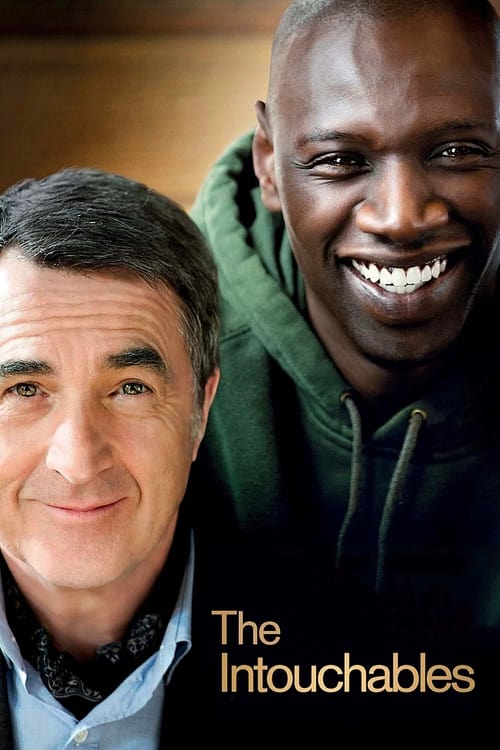
The Intouchables
A true story of two men who should never have met – a quadriplegic aristocrat who was injured in a paragliding accident and a young man from the projects.
American Beauty (1999)

Sam Mendes' directorial debut arrived at the turn of the millennium as a scathing critique of American suburban values and remains just as potent today. Kevin Spacey's Lester Burnham, a middle-aged advertising executive undergoing an existential crisis, narrates his own story from beyond the grave, setting in motion a darkly comic examination of repression, desire, and the hollow center of the American Dream.
Conrad Hall's cinematography finds beauty in the mundane—a plastic bag dancing in the wind, rose petals falling from a ceiling—creating visual poetry amid spiritual bankruptcy. The screenplay by Alan Ball interweaves multiple storylines with precision, connecting the disaffected characters through their shared longing for authentic experience. Annette Bening, as Lester's status-obsessed wife, and Thora Birch and Mena Suvari as the teenage objects of Lester's projection and desire, deliver performances of remarkable complexity. American Beauty's exploration of masculinity in crisis, repressed sexuality, and aesthetic obsession remains as relevant today as it was provocative then, asking uncomfortable questions about what we value and why.
🎬 Did You Know? The iconic plastic bag scene was shot by accident when the filmmakers were testing equipment on a windy day, with director Sam Mendes later deciding to incorporate the footage into the final film.

American Beauty
Lester Burnham, a depressed suburban father in a mid-life crisis, decides to turn his hectic life around after developing an infatuation with his daughter's attractive friend.
The Green Mile (1999)
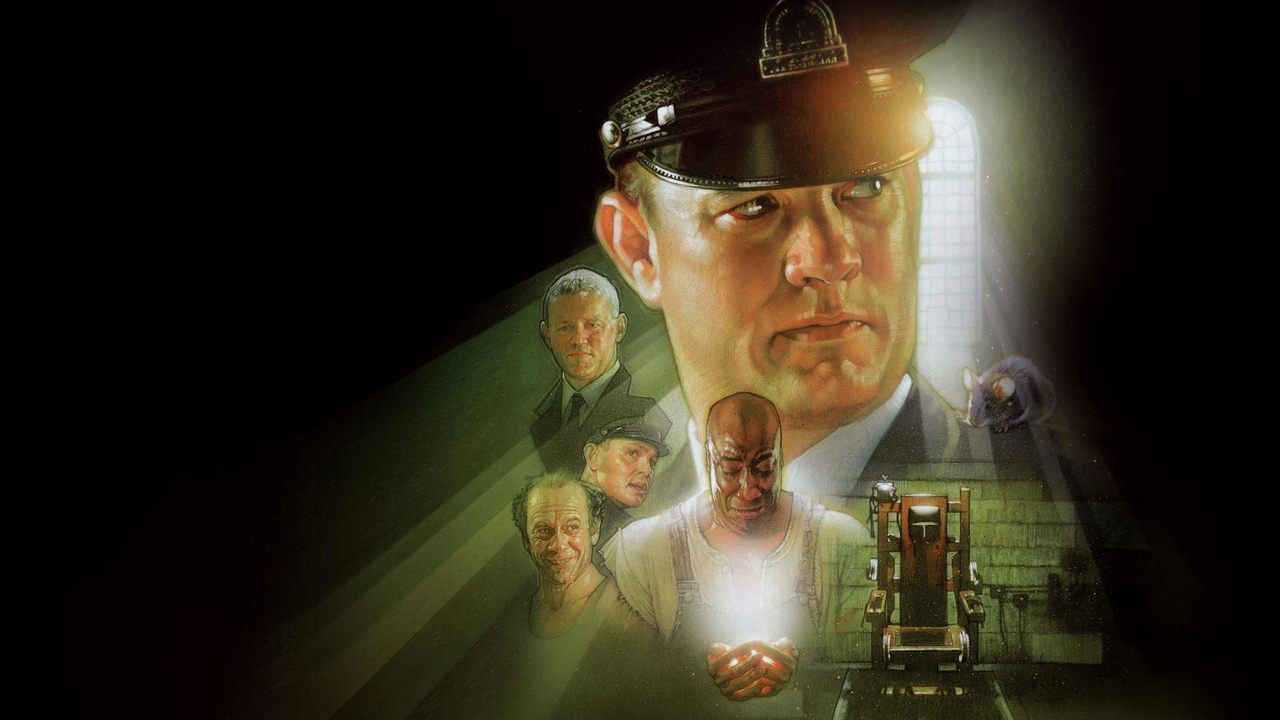
Frank Darabont's second Stephen King adaptation proves lightning can strike twice. Set on Death Row in a Louisiana penitentiary during the Great Depression, the film follows prison guard Paul Edgecomb (Tom Hanks) and his encounter with John Coffey (Michael Clarke Duncan), a gentle giant with mysterious healing powers condemned to death for a crime he didn't commit.
The film's greatest achievement is how it balances supernatural elements with profound humanity. At over three hours long, Darabont takes his time developing each character, from the guards to the inmates, ensuring that every death matters and every moral choice carries weight. Michael Clarke Duncan's Oscar-nominated performance as John Coffey is a miracle of gentle strength and wounded dignity. The Green Mile forces us to confront uncomfortable truths about justice, compassion, and our collective responsibility for institutionalized cruelty. By embedding these themes within a compelling narrative filled with memorable characters, Darabont creates a film that resonates emotionally while challenging viewers intellectually. Few films manage to be simultaneously heartbreaking and life-affirming with such sincerity.
🎬 Did You Know? Michael Clarke Duncan was initially hesitant to audition for the role of John Coffey because the character was described as being 6'8" tall, while Duncan was "only" 6'5", but director Frank Darabont convinced him that his presence mattered more than his exact height.
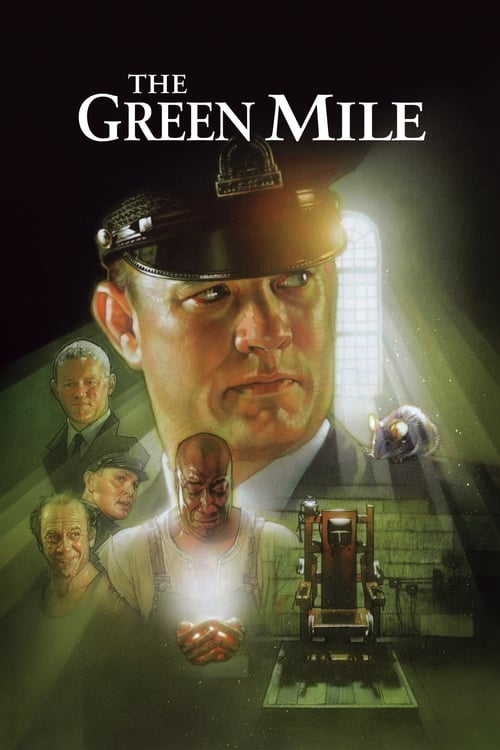
The Green Mile
A supernatural tale set on death row in a Southern prison, where gentle giant John Coffey possesses the mysterious power to heal people's ailments. When the cell block's head guard, Paul Edgecomb, recognizes Coffey's miraculous gift, he tries desperately to help stave off the condemned man's execution.
Dead Poets Society (1989)
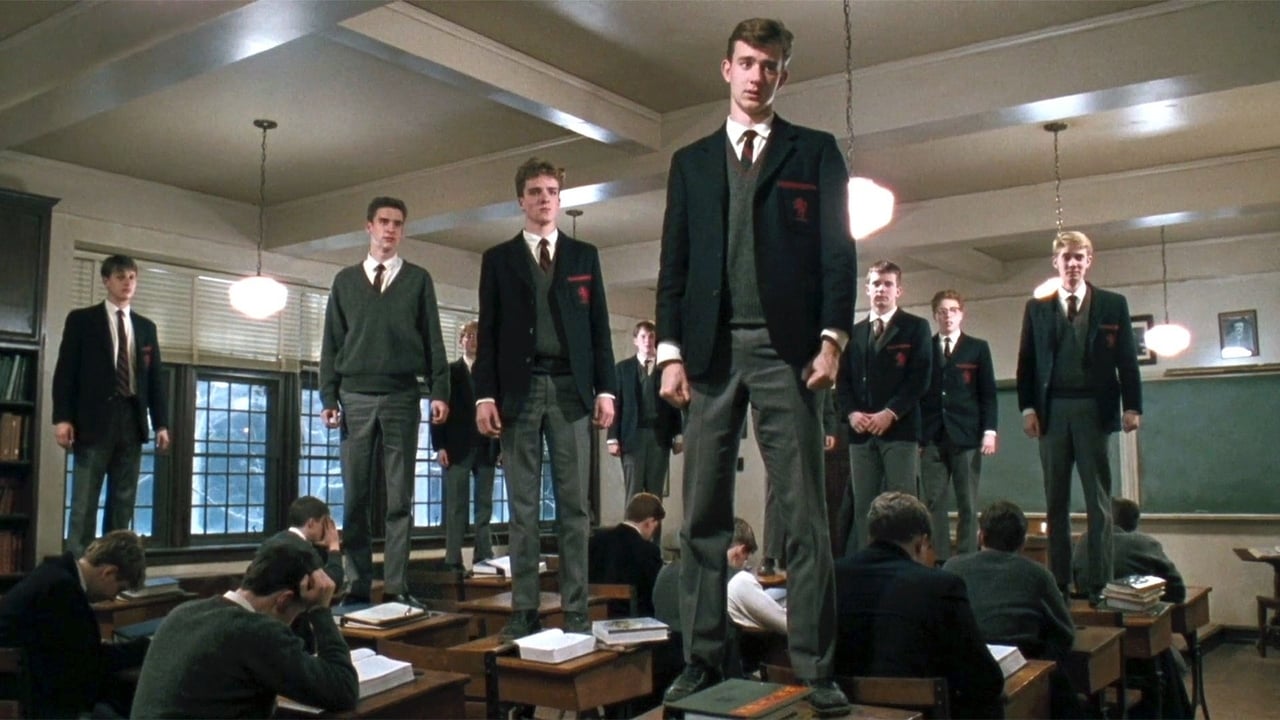
Peter Weir's celebration of literature, nonconformity, and the transformative power of education remains as inspiring now as it was revolutionary upon its release. Robin Williams gives one of his most nuanced dramatic performances as John Keating, an unorthodox English teacher at a prestigious prep school who encourages his students to "seize the day" and find their own voices in a rigidly conformist environment.
The film's visual approach is deceptively straightforward, allowing the performances—particularly those of the young ensemble cast including Ethan Hawke and Robert Sean Leonard—to carry the emotional weight. John Seale's cinematography captures both the austere beauty of the New England boarding school and the awakening spirits of the students with equal sensitivity. The screenplay by Tom Schulman (who won an Oscar for his work) never shies away from the potentially devastating consequences of challenging authority, giving the film's uplifting moments genuine emotional stakes. Dead Poets Society is ultimately about the courage required to live authentically in a world that demands conformity—a message that continues to resonate with each new generation of viewers.
🎬 Did You Know? Robin Williams improvised much of his powerful classroom dialogue, including the famous "What will your verse be?" speech, building on the screenplay's foundation with his own inspirational additions.

Dead Poets Society
At an elite, old-fashioned boarding school in New England, a passionate English teacher inspires his students to rebel against convention and seize the potential of every day, courting the disdain of the stern headmaster.
These eight films represent the pinnacle of dramatic storytelling—works that combine technical excellence with profound emotional resonance. Each offers a unique perspective on the human condition, challenging viewers while rewarding their attention with moments of genuine catharsis and insight. In a media landscape increasingly dominated by spectacle and distraction, these dramas remind us of cinema's power to illuminate truth through fiction and find universal meaning in specific, carefully observed human stories.
Whether you're revisiting a classic or discovering one of these masterpieces for the first time, StreamLume invites you to experience the transformative power of great drama—films that don't just pass the time but enrich your understanding of yourself and others. Because the best dramas aren't just watched; they're felt, contemplated, and carried with us long after the screen goes dark. Browse our full Drama collection →