Laugh Out Loud: The Absolute Best Comedy Films You Can Stream in 2026
Comedy, in its purest form, is not merely about eliciting laughter but creating a connection through shared human absurdity. The greatest comedies transcend their time, speaking universal truths while making us double over with laughter. StreamLume's carefully curated collection features films that don't just tickle our funny bones but resonate with our souls.
From subversive satire to raucous romps, these comedies represent the pinnacle of the genre—films that have defined generations, launched careers, and embedded themselves into our cultural lexicon. Let's journey through the absolute best comedy films you can stream today, each a masterclass in humor, timing, and heart.
The Big Lebowski (1998)
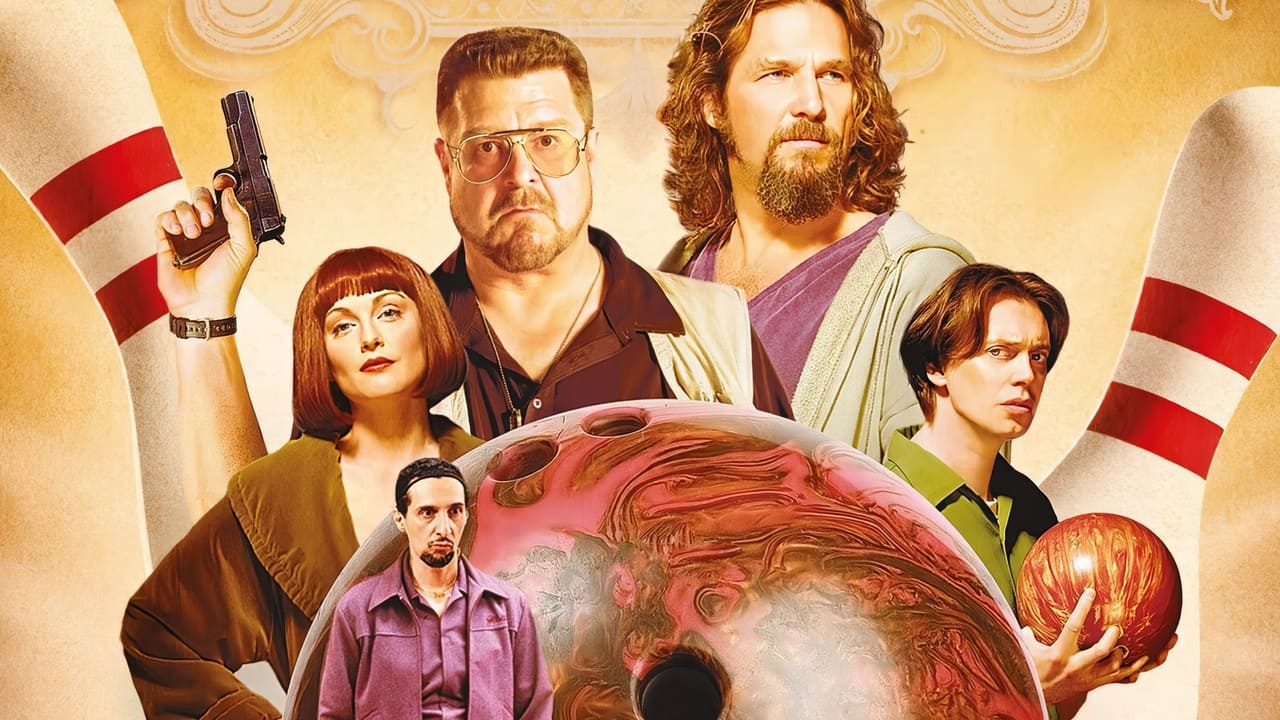
The Coen Brothers' masterpiece represents the pinnacle of their quirky, off-kilter sensibilities, delivering a stoner-noir odyssey that has spawned cult worship unprecedented even for the filmmakers behind "Fargo" and "No Country for Old Men." Jeff Bridges' portrayal of The Dude—a bathrobed, White Russian-sipping slacker unwittingly drawn into a labyrinthine plot—isn't just memorable; it's iconic, a portrait of laid-back authenticity in a world gone mad. What makes "The Big Lebowski" so endlessly rewatchable isn't merely its quotable lines ("The Dude abides") or its eccentric supporting characters (John Goodman's volatile Walter Sobchak deserves his own scholarly dissertation), but rather how the film transforms mundane activities like bowling into profound metaphors for life itself.
The brilliance of the Coens lies in their ability to layer surrealism atop realism, crafting dream sequences involving Busby Berkeley-style dance numbers and nihilists threatening castration, all while maintaining a strange internal logic. The film initially underperformed at the box office but has since achieved a level of cultural significance few films can match, inspiring annual Lebowski Fests worldwide where fans gather to celebrate all things Dude. It's a testament to how comedy, at its most inspired, can evolve from entertainment into lifestyle.
🎬 Did You Know? The Dude's signature look was based on Jeff Bridges' own wardrobe, with the actor bringing his personal clothes to the set.
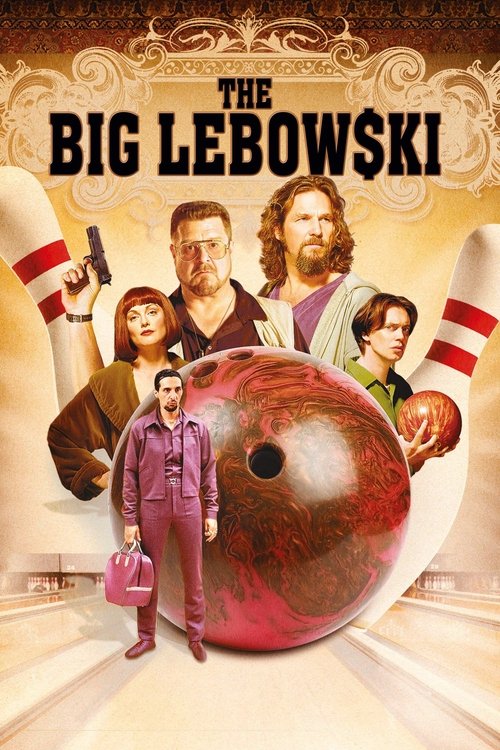
The Big Lebowski
Jeffrey 'The Dude' Lebowski, a Los Angeles slacker who only wants to bowl and drink White Russians, is mistaken for another Jeffrey Lebowski, a wheelchair-bound millionaire, and finds himself dragged into a strange series of events involving nihilists, adult film producers, ferrets, errant toes, and large sums of money.
Airplane! (1980)
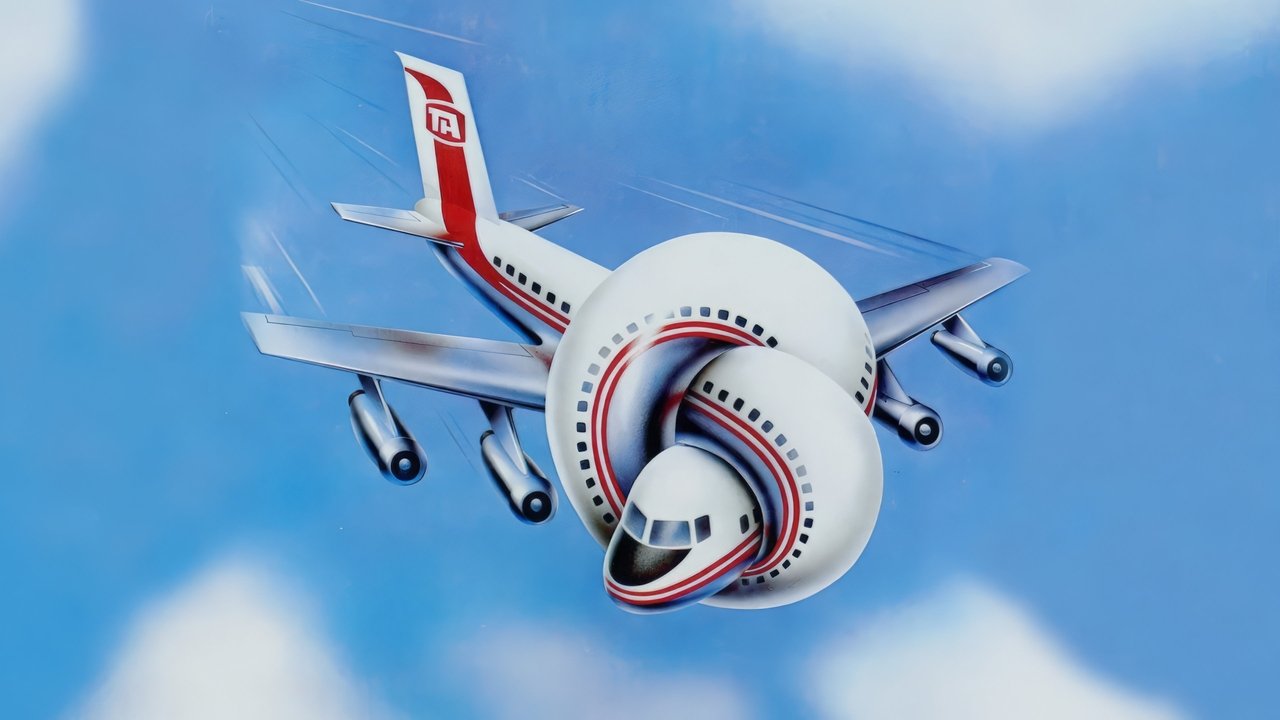
Before the Zucker-Abrahams-Zucker team unleashed "Airplane!" upon unsuspecting audiences, comedy had rules—rules this film gleefully shattered with a machine-gun approach to humor that has influenced every spoof film since. What's remarkable about "Airplane!" is not just its relentless joke density (with gags layered visually, verbally, and conceptually) but its steadfast commitment to playing the absurdity completely straight. The casting of serious dramatic actors like Leslie Nielsen, Robert Stack, and Lloyd Bridges—none previously known for comedy—creates an incongruity between delivery and content that elevates every punchline.
The film's genius lies in its understanding that comedy often works best when the performers themselves aren't in on the joke. Nielsen's deadpan delivery of "And don't call me Shirley" isn't just funny because of the pun; it's funny because his character genuinely doesn't recognize he's made one. Beyond the endlessly quotable lines and visual gags (the autopilot inflatable pilot remains a masterclass in visual comedy), "Airplane!" represents a revolutionary moment in cinema—when comedy realized it could operate at several layers simultaneously, rewarding both casual viewers and those paying closer attention. Four decades later, it still provides more laughs per minute than films half as ambitious.
🎬 Did You Know? Robert Stack, Leslie Nielsen, Lloyd Bridges, and Peter Graves were specifically cast because of their serious dramatic roles, as the directors wanted straight actors who wouldn't try to be funny.
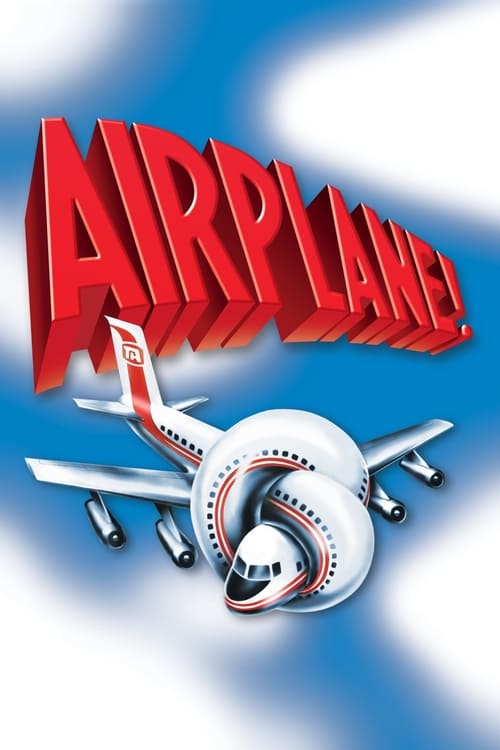
Airplane!
An ex-fighter pilot forced to take over the controls of an airliner when the flight crew succumbs to food poisoning.
In Bruges (2008)
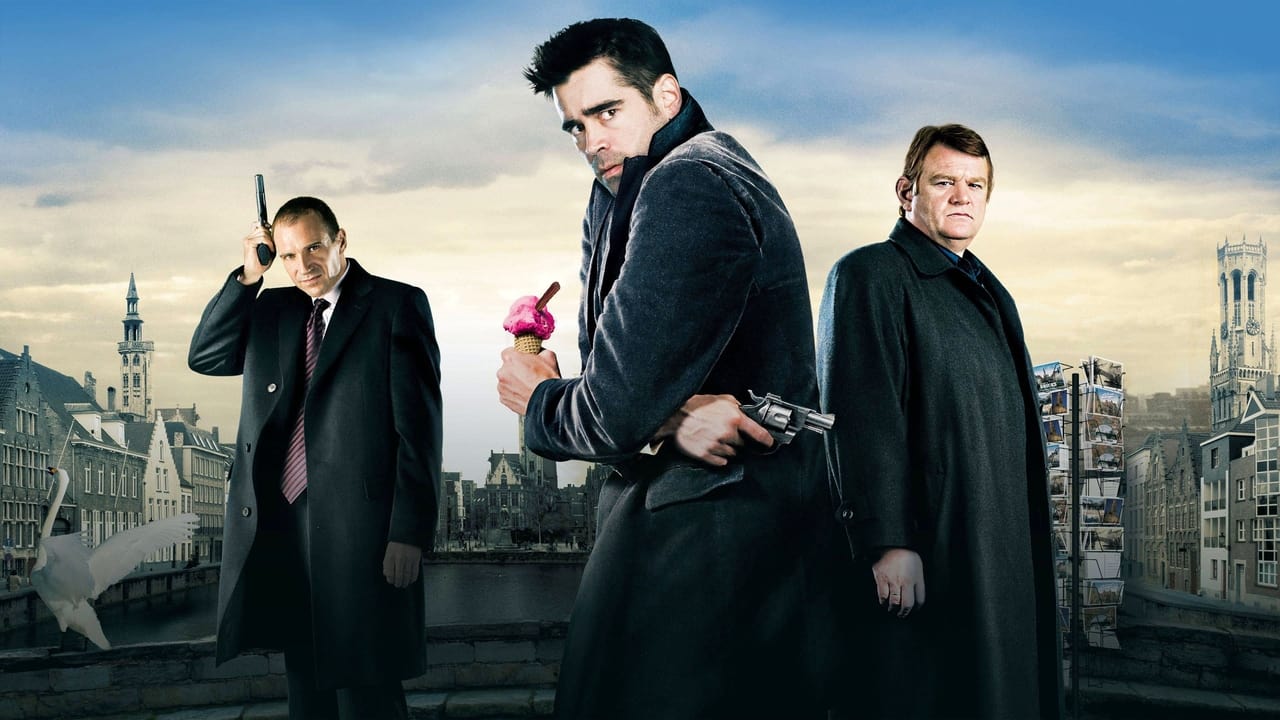
Martin McDonagh's black comedy masterpiece operates in the rarest of comic territories—finding genuine humor in situations of profound moral weight and existential crisis. Following two hitmen (Colin Farrell and Brendan Gleeson) hiding in the medieval Belgian city after a job gone terribly wrong, "In Bruges" seamlessly navigates between biting humor, philosophical musings, and gut-wrenching pathos. What separates this film from lesser dark comedies is its refusal to use humor as mere counterpoint to darkness; instead, the comedy emerges organically from characters processing trauma, guilt, and their own mortality.
Farrell's Ray—restless, culturally ignorant, and deeply wounded by his own actions—delivers some of the most memorable lines about Bruges ("If I grew up on a farm and was retarded, Bruges might impress me, but I didn't, so it doesn't"), yet beneath his petulance lies a soul in torment. Gleeson's Ken, finding unexpected beauty in the city's architecture and history, represents a counterbalancing perspective on life's meaning. Their philosophical differences, expressed through profanity-laden banter and quiet moments of reflection, give the film its emotional backbone. Add to this Ralph Fiennes' scene-stealing turn as their volatile boss Harry, and you have a perfect alchemy of writing, performance, and direction. McDonagh's script pulls off the miracle of making a film about guilt and purgatory not just funny but profoundly moving.
🎬 Did You Know? Colin Farrell won his first Golden Globe for his performance in this film, despite it being a relatively modest indie production with a budget of just $15 million.
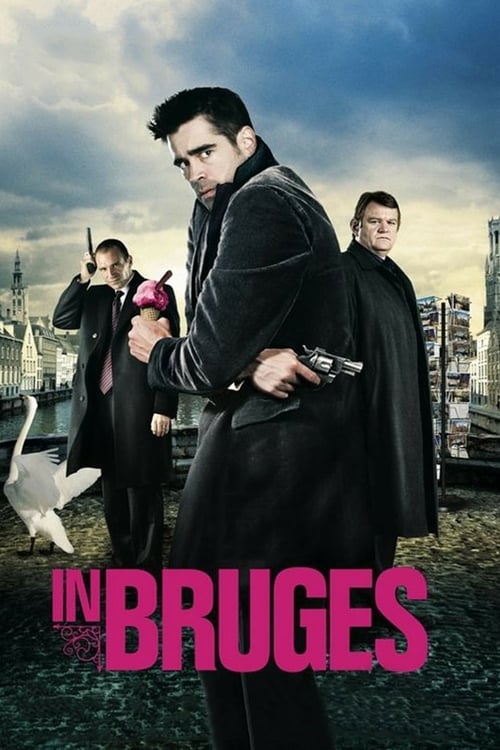
In Bruges
Ray and Ken, two hit men, are in Bruges, Belgium, waiting for their next mission. While they are there they have time to think and discuss their previous assignment. When the mission is revealed to Ken, it is not what he expected.
Bridesmaids (2011)
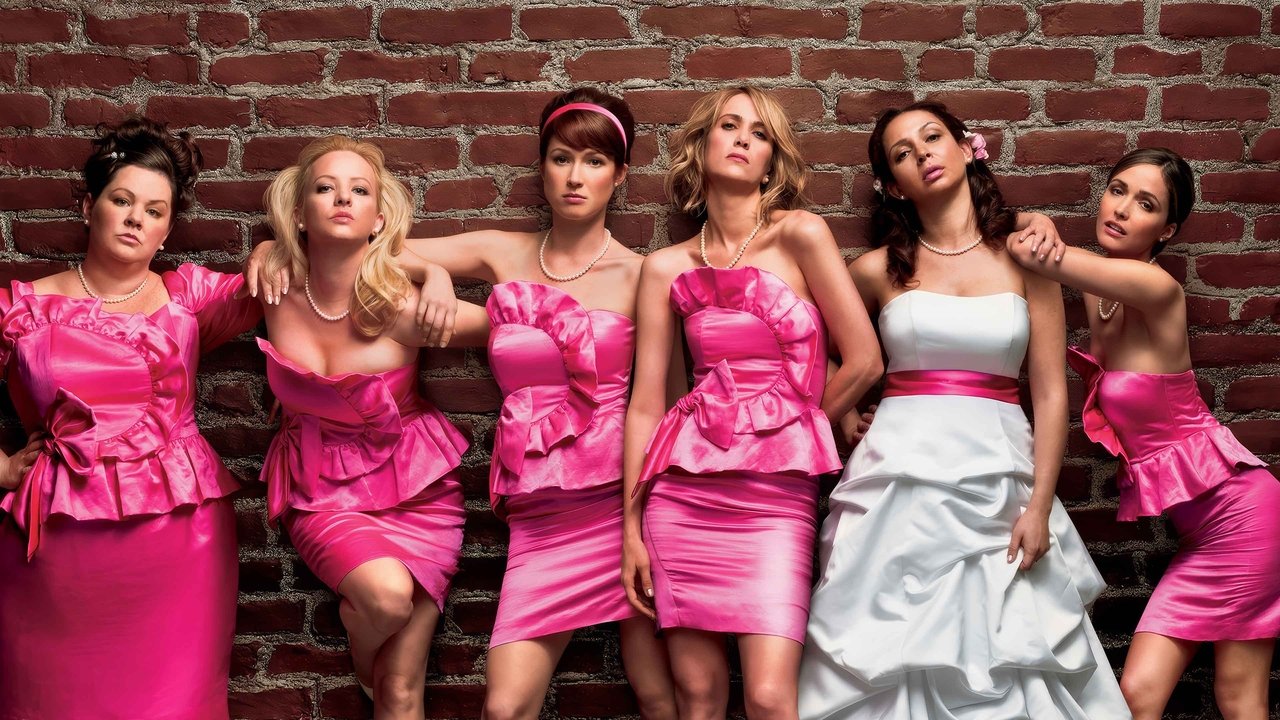
When "Bridesmaids" arrived, it didn't just shatter the glass ceiling of female-driven comedies—it obliterated it with the force of food poisoning at a Brazilian restaurant. Director Paul Feig and producer Judd Apatow provided the platform, but it was Kristen Wiig and Annie Mumolo's screenplay, coupled with one of the finest comedy ensembles ever assembled, that delivered a film both outrageously funny and emotionally resonant. What makes "Bridesmaids" revolutionary isn't just that it proved women could headline a raunchy comedy (something that should never have needed proving), but that it did so while maintaining deep character work and genuine emotional stakes.
Wiig's Annie, unraveling personally and professionally while trying to fulfill maid of honor duties, embodies the messy complexity rarely afforded female characters in comedy. Her jealousy, self-sabotage, and vulnerability feel achingly real amid set pieces of escalating hilarity. The scene on the airplane—where Annie's fear of flying collides with medication and alcohol—is a masterclass in physical comedy, while Melissa McCarthy's groundbreaking performance as Megan injects the film with unpredictable energy. Rose Byrne's perfect passive-aggressive Helen represents the idealized womanhood Annie can't match, creating tension that drives the narrative forward. Beyond the boundary-pushing comedy, "Bridesmaids" speaks truth about friendship, self-worth, and the complicated emotions surrounding major life changes—all while delivering the best food poisoning sequence in cinematic history.
🎬 Did You Know? Melissa McCarthy's scene-stealing role as Megan was nearly cut from the script entirely before director Paul Feig insisted on keeping it, ultimately earning McCarthy an Oscar nomination.
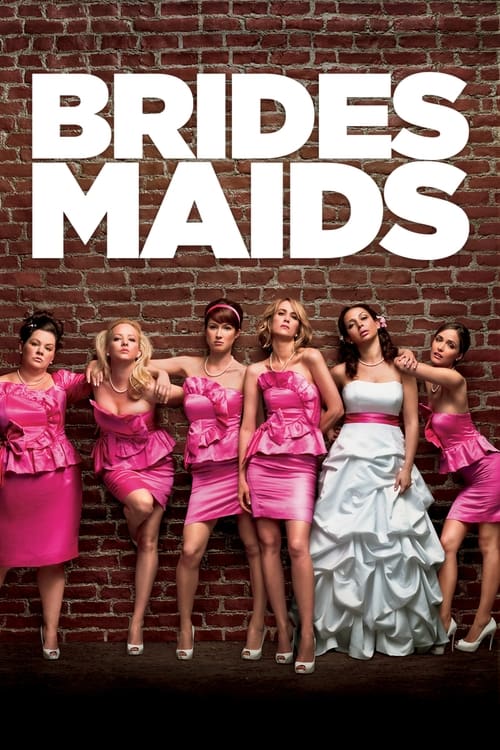
Bridesmaids
Annie's life is a mess. But when she finds out her lifetime best friend is engaged, she simply must serve as Lillian's maid of honor. Though lovelorn and broke, Annie bluffs her way through the expensive and bizarre rituals. With one chance to get it perfect, she’ll show Lillian and her bridesmaids just how far you’ll go for someone you love.
Shaun of the Dead (2004)
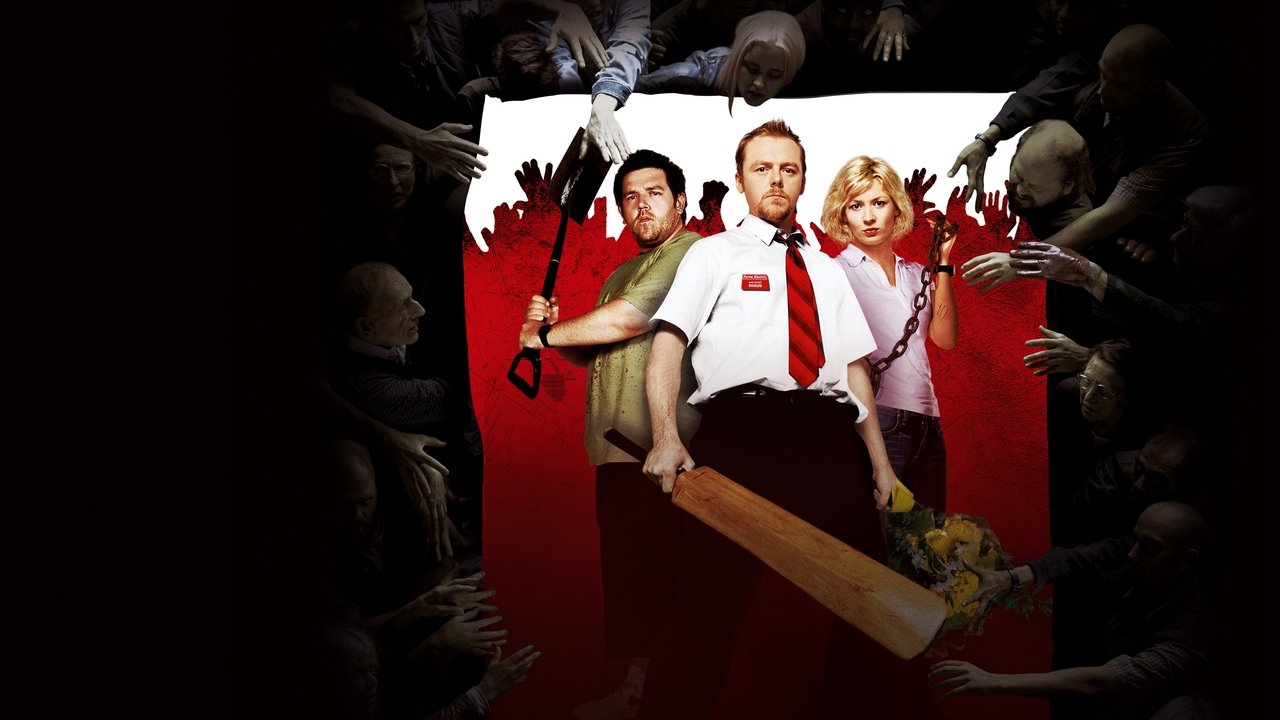
Edgar Wright's "Shaun of the Dead" didn't just parody zombie films—it lovingly reinvented them, creating the rare comedy that works equally well as both satire and a genuine entry in the genre it lampoons. Wright's kinetic visual style—rapid cuts, whip pans, and match-on-action transitions—elevates what could have been standard comedy fare into a technical marvel, with every frame packed with visual jokes and foreshadowing. The film's genius lies in its central metaphor: Shaun (Simon Pegg) is already shuffling through a zombie-like existence before actual zombies appear, his daily routine literally identical pre- and post-apocalypse.
The chemistry between Pegg and Nick Frost creates one of cinema's most believable friendships, their bickering and pop culture references masking genuine affection. What elevates "Shaun" beyond mere parody is how it maintains emotional stakes—Shaun's reconciliation with his mother, his girlfriend, and ultimately his own potential—amid the chaos. The film's tonal balancing act reaches its apex in the Winchester Pub finale, where comedy and horror exist simultaneously rather than alternating. Wright's commitment to both gore and gags (zombies dispatched to Queen's "Don't Stop Me Now" remains a pinnacle of musical-action choreography) demonstrated that horror and comedy are natural companions, each heightening the other when expertly executed. As the first in Wright's "Cornetto Trilogy," it established his signature style—hyperkinetic visuals, tight editing, and genuinely human characters amid absurd circumstances.
🎬 Did You Know? There are 61 uses of the F-word in the film, a deliberate reference to its usage in George Romero's "Dawn of the Dead" and a running joke between Wright and Pegg.
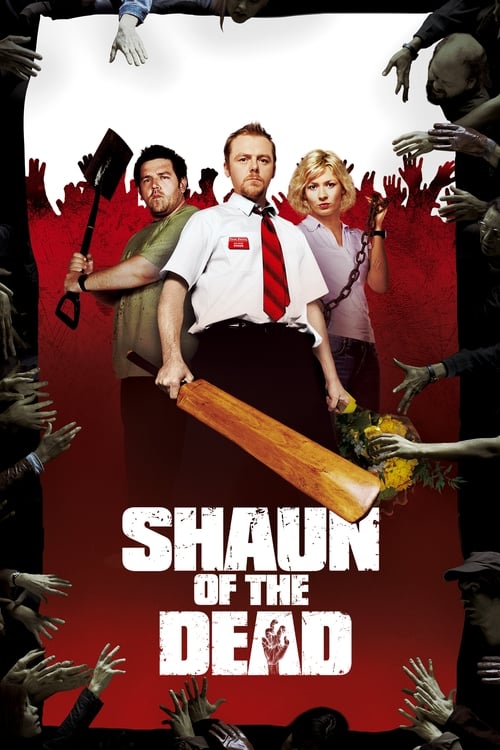
Shaun of the Dead
Shaun lives a supremely uneventful life, which revolves around his girlfriend, his mother, and, above all, his local pub. This gentle routine is threatened when the dead return to life and make strenuous attempts to snack on ordinary Londoners.
The Grand Budapest Hotel (2014)

Wes Anderson's meticulously crafted opus represents the fullest expression of his distinctive aesthetic—symmetrical compositions, precise color palettes, and dollhouse-like set designs—while delivering his most emotionally resonant narrative. Set primarily in the fictional Republic of Zubrowka between the World Wars, the film follows the adventures of legendary concierge Gustave H. (Ralph Fiennes) and his protégé Zero (Tony Revolori). Anderson's trademark visual whimsy could easily become mere style over substance, but "Grand Budapest" uses its fairy-tale aesthetics to explore surprisingly weighty themes of fascism's rise, the end of civility, and the preservation of dignity in barbaric times.
Fiennes delivers a career-highlight performance as Gustave, a man devoted to creating perfection in an increasingly imperfect world. His fussy demeanor, poetic vulgarity ("She was dynamite in the sack, by the way"), and unwavering standards of service make him both hilarious and ultimately heroic. The film's nested narrative—stories within stories spanning three time periods—reminds us that storytelling itself is an act of preservation against time's erasure. Anderson's comedy has always been deadpan, but never more effectively than here, where the contrast between mannered dialogue and increasingly outrageous situations (prison breaks, ski chases, stolen paintings) creates consistent delights. The film's bittersweet conclusion acknowledges that while Gustave's world of refinement is doomed by history's march, something beautiful remains in having maintained standards even when the world abandoned them.
🎬 Did You Know? The fictional pastry "Courtesan au Chocolat" from the film became so popular that numerous real bakeries around the world added it to their menus after the movie's release.
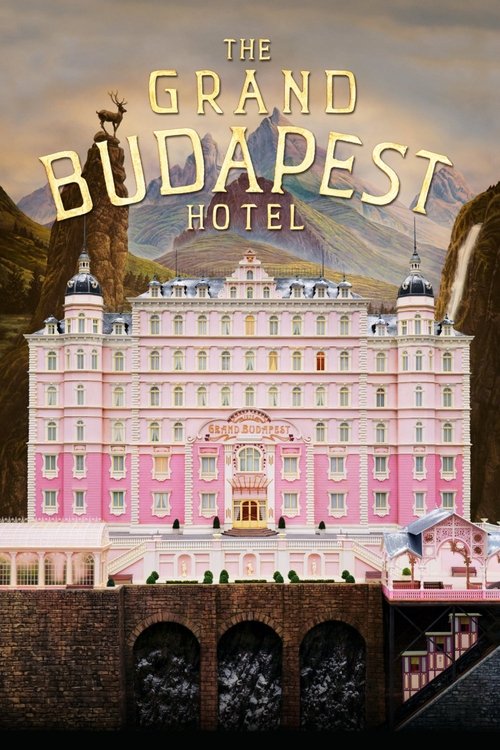
The Grand Budapest Hotel
The Grand Budapest Hotel tells of a legendary concierge at a famous European hotel between the wars and his friendship with a young employee who becomes his trusted protégé. The story involves the theft and recovery of a priceless Renaissance painting, the battle for an enormous family fortune and the slow and then sudden upheavals that transformed Europe during the first half of the 20th century.
Superbad (2007)
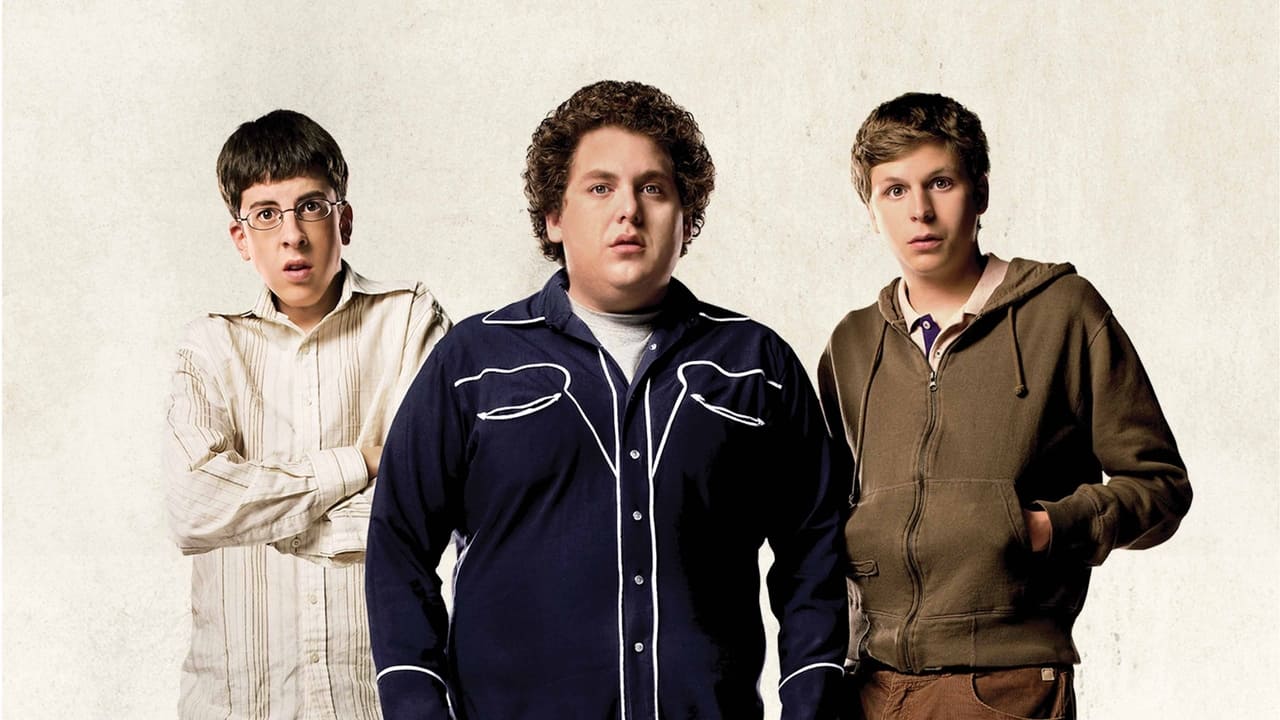
Few coming-of-age comedies capture the awkward desperation of teenage male friendship with the authenticity of Greg Mottola's "Superbad." Written by Seth Rogen and Evan Goldberg (who began the script when they were teenagers themselves), the film transcends its raunchy premise by grounding its humor in painful truth: these boys' obsession with partying and losing their virginity masks their fear of impending separation as college looms. Jonah Hill and Michael Cera deliver performances of remarkable chemistry as Seth and Evan, their codependent friendship filled with the contradictory impulses of adolescence—bravado masking insecurity, sexual obsession coexisting with emotional immaturity.
The film's stroke of genius is Christopher Mintz-Plasse's McLovin, whose fake ID misadventures with two unprofessional cops (Rogen and Bill Hader) provide the film's wildest comedic detours while maintaining thematic coherence about identity and belonging. What separates "Superbad" from lesser teen comedies is its emotional honesty—beneath the outrageously profane dialogue and alcohol-seeking quest lies a story about two friends terrified of growing apart. The film's climax, where the boys finally confess their platonic love while drunkenly attempting to sleep in the same room, ranks among the most touching depictions of male friendship in modern cinema. "Superbad" understands that the funniest moments in life often arise from our most vulnerable ones, a lesson that elevates this film from guilty pleasure to legitimate classic.
🎬 Did You Know? Seth Rogen and Evan Goldberg began writing the screenplay when they were just 13 years old, basing it on their own high school experiences and friendship.
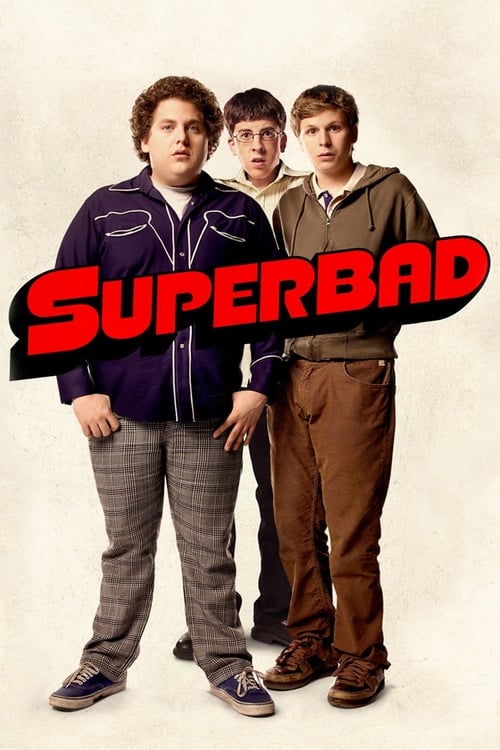
Superbad
Two co-dependent high school seniors are forced to deal with separation anxiety after their plan to stage a booze-soaked party goes awry.
Four Lions (2010)
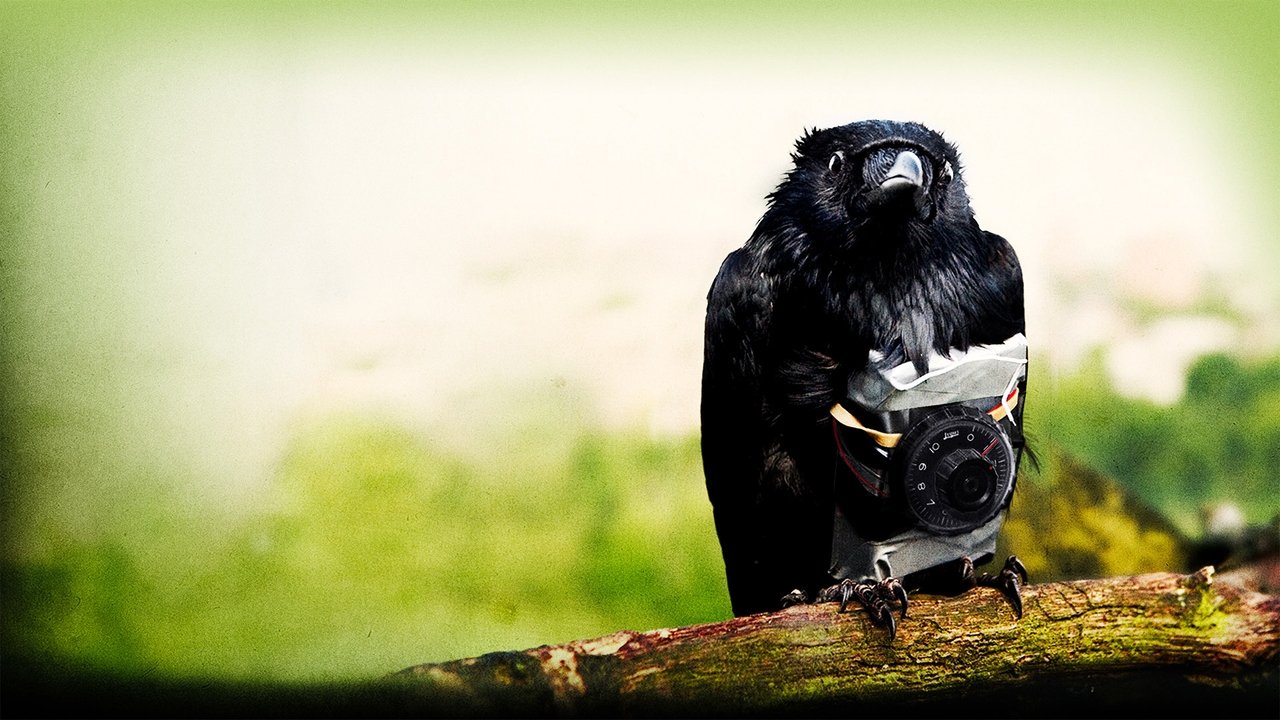
Chris Morris's audacious dark comedy about a cell of incompetent British jihadists planning a terrorist attack represents comedy at its most fearless and provocative. Released less than a decade after 9/11, "Four Lions" dared to find humor in terrorism not by mocking faith but by applying the logic of bumbling crime comedies to an unthinkable subject. Morris's extensive research into real terrorist cells revealed a level of incompetence and internal squabbling that provided the perfect foundation for satirical treatment. The film's protagonist Omar (Riz Ahmed in a breakthrough role) serves as the relatively sensible center surrounded by increasingly absurd compatriots, including the dim-witted Waj, white convert Barry, and the tragically misguided Fessal.
What makes "Four Lions" remarkable is how it generates genuine affection for these characters while never excusing their horrific goals. The comedy emerges from their fundamental misunderstandings of their own faith and the spectacular failures of their training attempts (mistakenly bombing a sheep, arguing about which targets would most damage the West). Morris walks an impossible tonal tightrope, finding the human folly in extremism without diminishing its dangers. The film builds to a conclusion both hilarious and devastating—a rare comedy that leaves viewers questioning easy moral certainties. In an era where comedy increasingly avoids political risk, "Four Lions" remains a testament to satire's power to confront uncomfortable truths through laughter. Its legacy is not just in its courage to address forbidden subject matter but in how it uses comedy to reveal the human contradictions behind headlines and stereotypes.
🎬 Did You Know? Director Chris Morris spent three years researching terrorism and meeting with counterterrorism experts, Islamic scholars, and even former jihadists to ensure the film's authenticity beneath its comedic exterior.
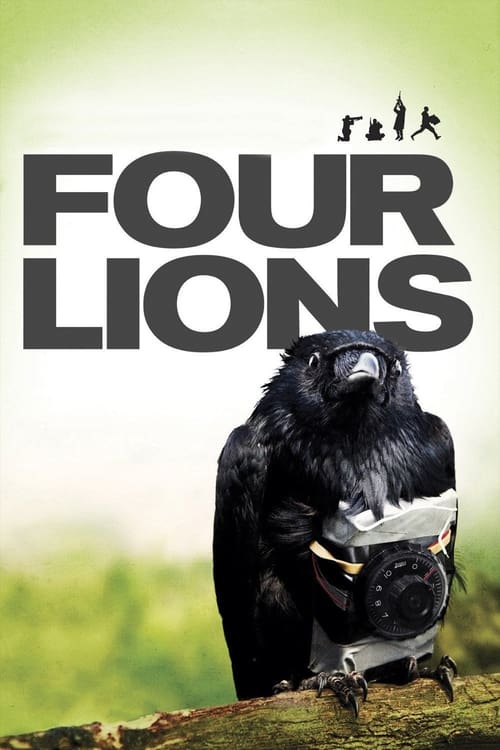
Four Lions
Four Lions tells the story of a group of British jihadists who push their abstract dreams of glory to the breaking point. As the wheels fly off, and their competing ideologies clash, what emerges is an emotionally engaging (and entirely plausible) farce.
The Hangover (2009)
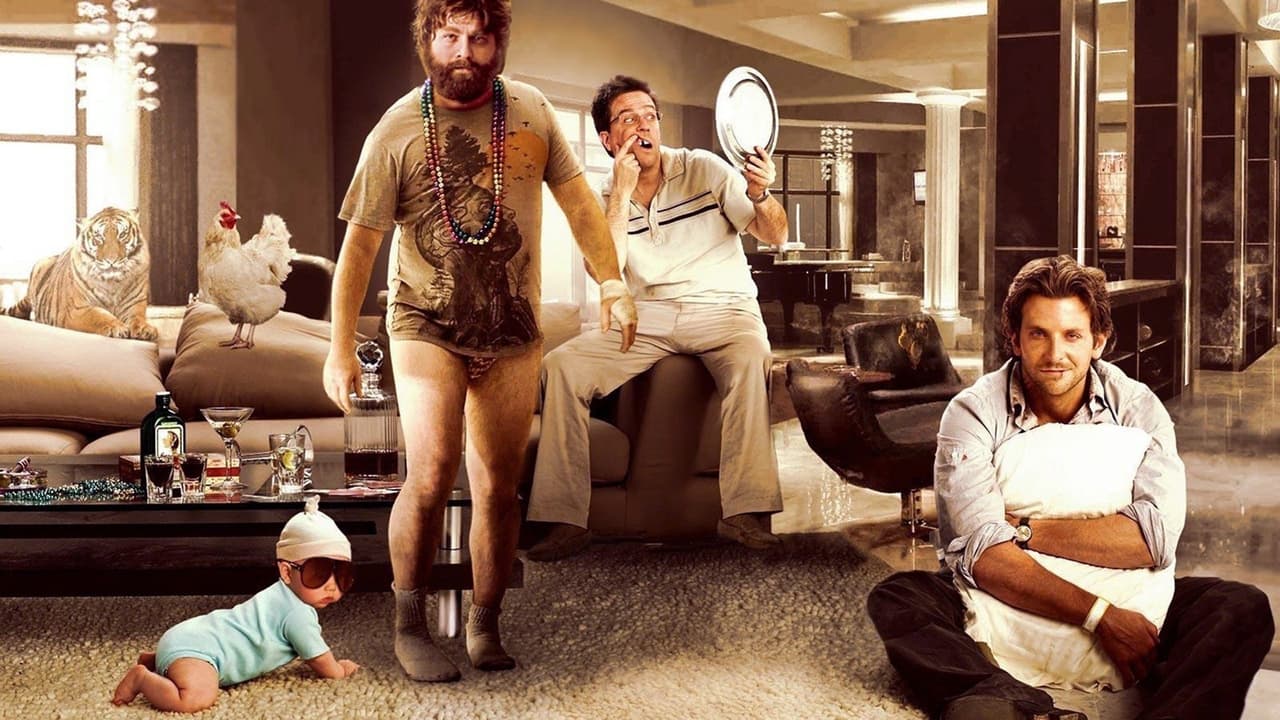
Todd Phillips' raucous bachelor party gone wrong redefined the boundaries of mainstream R-rated comedy while introducing a narrative structure—working backward from catastrophe to reconstruct a night of debauchery—that proved irresistibly compelling. The film's central mystery (where is the missing groom?) provides the perfect engine for escalating revelations, each more outlandish than the last. What makes "The Hangover" transcend its high-concept premise is the chemistry of its perfectly cast trio: Bradley Cooper's smug-but-charming Phil, Ed Helms' repressed dentist Stu, and Zach Galifianakis' scene-stealing Alan, whose non-sequiturs and social obliviousness make him one of comedy's most original characters ("I'm not supposed to be within two hundred feet of a school... or a Chuck E. Cheese").
Phillips directs Las Vegas as both glossy playground and apocalyptic wasteland, the destroyed hotel suite serving as perfect metaphor for the characters' shattered dignity. The film's genius lies in how it parcels out information—each new discovery (the tiger, the baby, Mike Tyson, the missing tooth) escalates both the comedy and our investment in solving the central mystery. While the film spawned increasingly diminishing sequels, the original maintains a freshness and surprising heart beneath its crude exterior. Alan's attachment to the "wolfpack" speaks to male bonding rituals and the outsider's desperation for belonging. "The Hangover" works because beneath its shock comedy and quotable lines lies a surprisingly effective story about friendship forged through shared trauma—even if that trauma involves stolen police cars and accidental marriages.
🎬 Did You Know? The tiger used in filming belonged to Mike Tyson in real life, and the boxing champion agreed to appear in the film after hearing that the script included his pet.
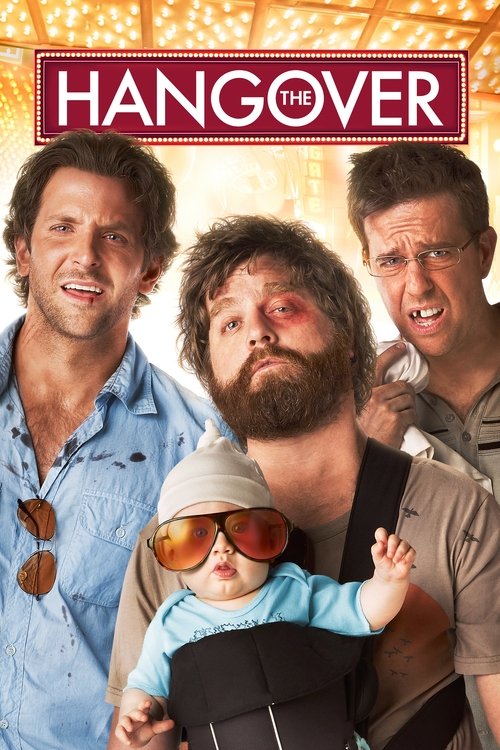
The Hangover
When three friends finally come to after a raucous night of bachelor-party revelry, they find a baby in the closet and a tiger in the bathroom. But they can't seem to locate their best friend, Doug – who's supposed to be tying the knot. Launching a frantic search for Doug, the trio perseveres through a nasty hangover to try to make it to the church on time.
Comedy connects us through shared laughter, transcending individual experience to create moments of collective joy. The films highlighted here represent the finest expression of this art—comedies that make us laugh while revealing something true about our world. Whether through absurdist set pieces, cutting satire, or heartfelt character moments, these films demonstrate comedy's unique power to deliver profound experiences through pleasure rather than pain.
What makes a comedy truly great isn't just its ability to provoke laughter in the moment, but how it lingers in our consciousness, becoming part of how we process our own experiences. These films have become cultural touchstones, their lines quoted and scenes referenced in countless conversations, because they speak to universal human experiences through the disarming medium of humor. In a world increasingly divided, comedy remains our most accessible shared language—and StreamLume remains dedicated to bringing you the very best of this vital art form. Browse our full Comedy collection →